Dental problems are one of the most common reasons pets see a vet, and dental treatment under anaesthesia is not cheap. Yet "does pet insurance cover dental?" has no single answer: it depends on whether the problem is an accident, an illness or routine care, and on the exact policy wording. This guide explains the three categories, what usually gets covered, and how to protect your claim.
The three kinds of dental care
| Type | Examples | Usually covered? |
|---|---|---|
| Dental accident (injury) | Tooth broken in a fall or collision, jaw injury, tooth knocked out | Yes, on most accident-only and accident & illness policies, after the accident waiting period |
| Dental illness | Periodontal (gum) disease, tooth root abscess, feline tooth resorption, gingivitis, stomatitis | Varies: included by some comprehensive policies, capped by others, excluded by some |
| Routine / preventive care | Scale and polish, annual cleaning, toothbrushing products | No, except a fixed allowance on some wellness add-ons |
In the US, many comprehensive policies now cover periodontal disease, while others limit dental illness or require an annual dental exam, according to a comparison of US policy wordings. UK policies differ widely: some cover dental illness only if your pet has had a dental check within the previous 12 months and any treatment the vet recommended was carried out.
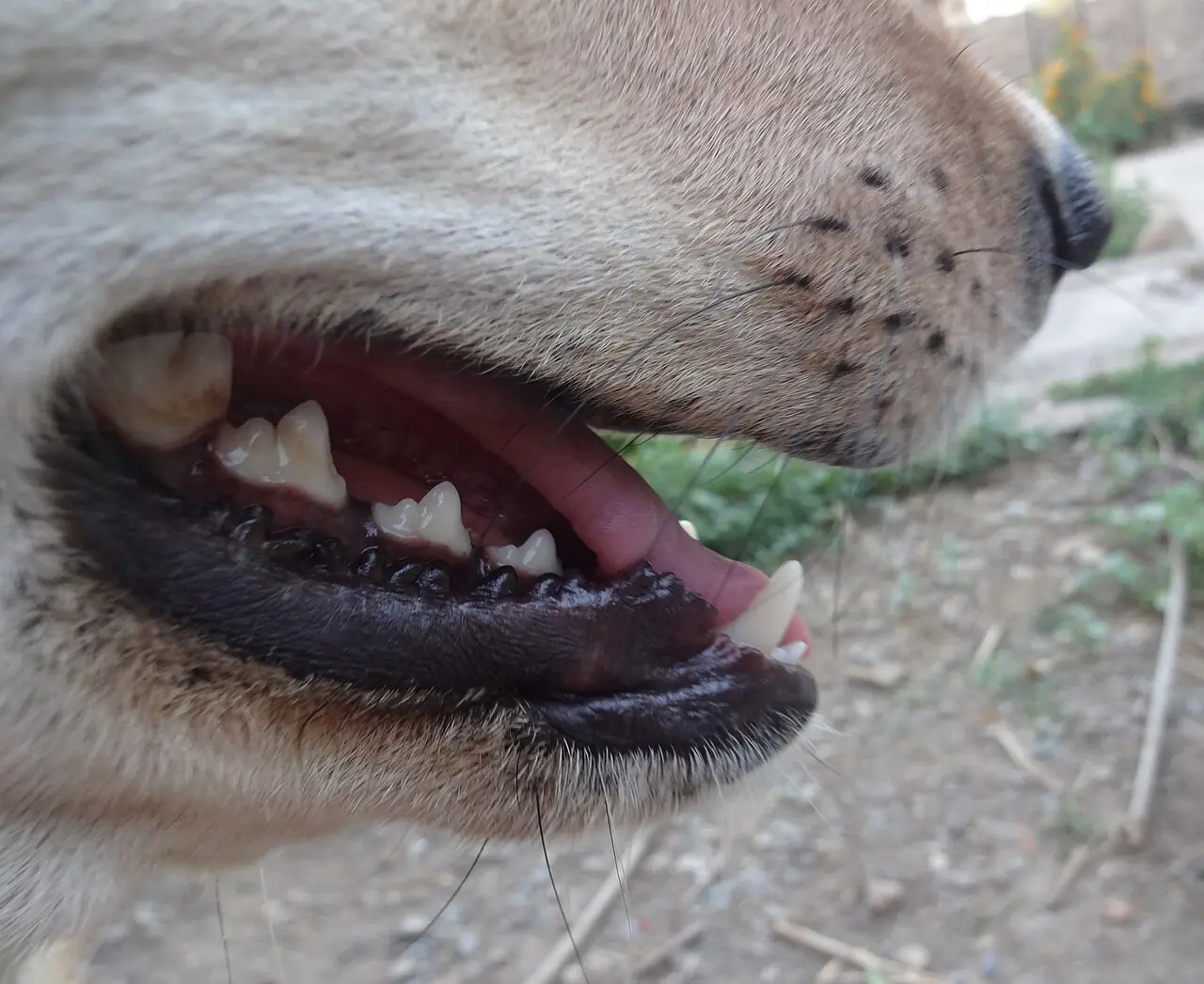
How common is dental disease?
According to the American Veterinary Medical Association, dental disease is one of the most frequently diagnosed health problems in pets, and most dogs and cats have some evidence of it by about three years of age. Small dog breeds, flat-faced breeds and older pets are especially prone. That is exactly why insurers are careful about dental illness: it is common, gradual and often preventable.
Source: AVMA: Pet dental care.
What usually gets excluded
- Pre-existing dental disease. Tartar, gingivitis or a loose tooth noted before the policy began.
- Cosmetic and orthodontic work, such as correcting a bite for appearance.
- Routine cleaning, unless covered by a wellness add-on.
- Treatment after a missed dental check, where the policy requires one.
- Some breed-related tooth problems such as retained baby teeth, on certain policies.
Five ways to protect your dental claims
- Insure early, before your pet's first vet record notes tartar or gum inflammation. See puppy insurance.
- Book the annual check-up and make sure the vet records the teeth and gums.
- Follow the vet's advice. If a cleaning is recommended and you skip it, later disease may be treated as preventable and excluded.
- Read the dental section of the policy wording for limits, exclusions and conditions before you buy.
- Keep invoices and photos of any dental injury, and claim promptly.
Cats and dental disease
Cats are prone to tooth resorption, a painful condition where the tooth structure breaks down, and to chronic gum inflammation (stomatitis) that can require removing many teeth. These are illnesses, not accidents, so a cat policy with dental illness cover can be valuable. Signs include drooling, dropping food, chewing on one side and bad breath. See our cat insurance guide.
Is a wellness plan worth it for dental care?
A wellness or routine-care add-on may contribute a fixed amount each year towards cleaning. It is worth it only if the allowance you will use exceeds the extra premium. For many owners, putting the same money aside and brushing their pet's teeth daily is just as effective. Vet-practice health plans sometimes include a discount on dental procedures, which can be another option.
Daily habits that cut dental bills
- Brush your pet's teeth daily with a pet toothpaste (never human toothpaste, which may contain xylitol, toxic to dogs).
- Start gently and early, ideally with puppies and kittens.
- Choose chews and diets with a recognised dental benefit, and avoid very hard chews that can fracture teeth.
- Check for bad breath, red gums, broken teeth and changes in eating, and book a vet visit early.
Worked example: a dental illness claim
A hypothetical example: your 5-year-old dog needs three teeth extracted because of gum disease, and the bill (anaesthesia, X-rays, extractions, medication) is $1,800. You have had annual vet checks with no earlier dental notes, and your policy covers dental illness with a $250 deductible and 80% reimbursement. The insurer would pay 80% of $1,550, or $1,240, and you would pay $560. If the policy excluded dental illness, or if a vet note two years earlier had recommended a cleaning that was never done, the same claim could be declined in full.
Illustrative arithmetic only; dental costs vary widely by clinic and region.
Questions to ask before you buy
- Is dental illness covered, or only dental accidents?
- Is there a separate dental limit per year?
- Do I need an annual dental exam, and does a general health check count?
- Are extractions of baby teeth or breed-related tooth problems excluded?
- Does a wellness add-on contribute to cleaning, and how much?
Bottom line
If dental cover matters to you (for a small breed, a flat-faced breed or a cat), choose a comprehensive policy that explicitly covers dental illness, check any yearly-exam condition, and insure early. Compare settings with our deductible calculator and see what different plan types include.
Frequently asked questions
Does pet insurance cover dental?
Does pet insurance cover teeth cleaning?
Does pet insurance cover tooth extractions?
Why do some insurers require an annual dental exam?
Is dental disease common in pets?
Are broken teeth covered?

Published 29 November 2026 · Last updated 29 November 2026. We cite the source and date for every price or statistic and correct errors quickly. Read how we research or report a mistake to [email protected].